A wedding film in Poland is won by sound and timing: a room tone you recognise, vows you can hear, and a day with small cushions in it.
In short: a luxury wedding videographer in Poland should cover the day with clean audio for vows and speeches, one shared timeline with the photographer and a plan for rain. Our film packages start at €1,390 for 5 hours and run to €2,190 for a full day, with no extra travel fees; photo and film together are the plain sum. Choose a city day (Warsaw, Kraków, Gdańsk, Wrocław) or a manor weekend, or combine them with one short transfer.
We are a team of six documentary wedding photographers and filmmakers, and in Poland our filmmakers record vows and speeches with their own microphones, not only the venue’s sound. Our own filmmakers shoot the films, so photo and film come from one team and one plan.
What “luxury” wedding videography means in Poland (beyond the word)
Luxury isn’t just about a venue or a dress—it’s about how the day feels, and how smoothly it runs. In videography terms, it usually means a more intentional approach to story, sound, and pacing.
What to expect from a luxury, cinematic approach
- Story-first editing: not only pretty shots, but a clear emotional arc (anticipation → ceremony → celebration).
- Clean audio: vows and speeches recorded properly (often with discreet microphones) so your film doesn’t rely only on music.
- Light-aware planning: building the timeline around the best light in courtyards, gardens, and city streets.
- Discreet coverage: capturing energy without constantly interrupting moments.
- Consistency: color, exposure, and style that matches your setting—whether it’s a Warsaw rooftop or a manor with candlelight.
the most “luxury” part of video is often the invisible part—planning, audio, and calm execution that lets you be present.
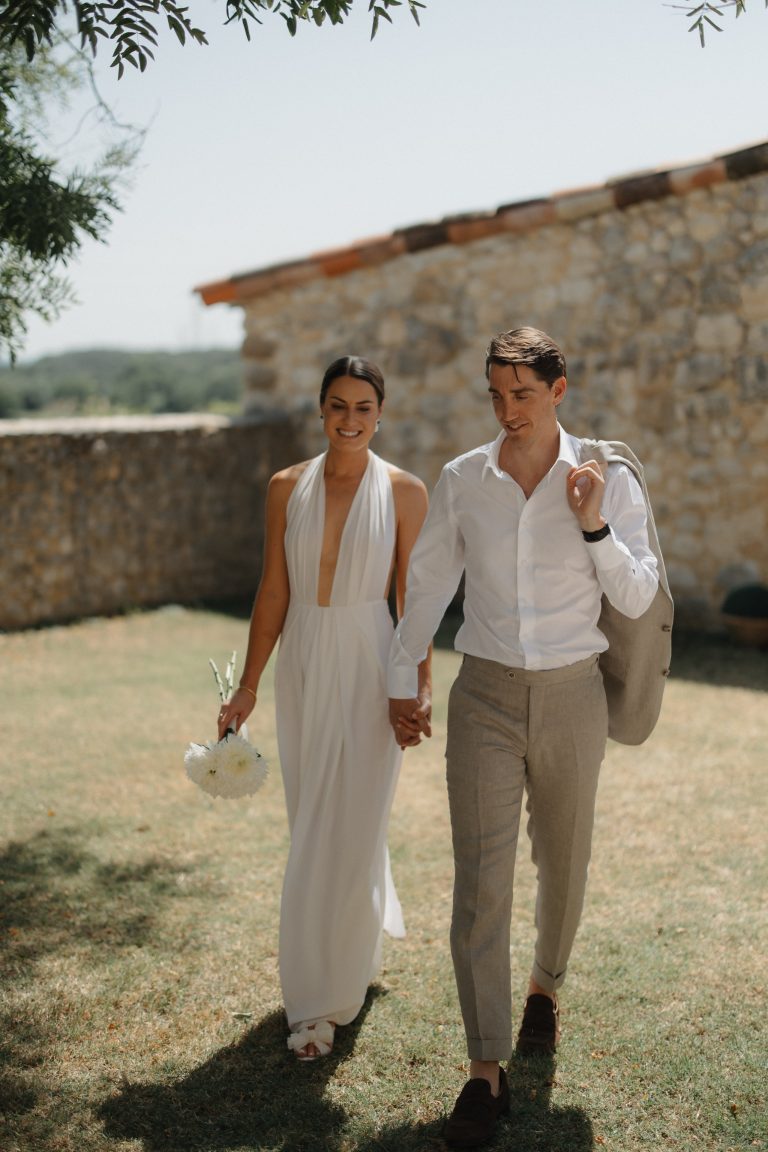
 Michael & Michelle · Toulouse · see the full wedding →
Poland on film: the mood, the light, and why it works so well
Poland is a gift for cinematic wedding films because it offers contrast: grand architecture and intimate courtyards, modern design hotels and old-world manors, forests and lakes within easy reach of major cities.
City weddings: Warsaw, Kraków, Gdańsk & Wrocław
- Texture and scale: stone streets, historic facades, elegant staircases, and modern interiors.
- Great for editorial + documentary: you can do a short portrait walk and still keep the day relaxed.
- Weather flexibility: cities offer covered arcades, lobbies, museums-adjacent streets, and cafés for rain plans.
Manor & palace weddings: countryside elegance without feeling remote
- Space for multi-day celebrations: welcome drinks, garden ceremonies, brunch the next day.
- Golden-hour options: long driveways, fields, lakes, and tree lines that look incredible at sunset.
- Indoor beauty matters: ballrooms, libraries, conservatories—key for shoulder-season weddings.
Poland suits a film that feels classic and real: historic settings with modern hotels and design around them.
Best seasons for wedding films in Poland (and what they look like on camera)
Poland has real seasons, and each one changes the mood of your film. The “best” time depends on whether you want long evenings and outdoor dinners, or a candlelit manor atmosphere.
Late spring (May–June): fresh greens + comfortable days
- Gardens and parks look vibrant; city scenes feel lively.
- Light is generally flattering, with a good balance of day length and comfort.
- Have a rain plan that still looks good (covered terrace, indoor ceremony option).
Summer (July–August): long days + outdoor celebrations
- Perfect for outdoor ceremonies, cocktail hours, and late sunsets.
- Plan for heat during prep and portraits—especially in cities.
- Consider a “siesta-style” timeline: slower midday, stronger evening energy.
Early autumn (September–October): warm tones + softer light
- Often the sweet spot for cinematic color and comfortable temperatures.
- Sunset comes earlier—great for scheduling portraits without rushing.
- Evenings can be cool; think shawls, heaters, and indoor dance floors.
Late autumn & winter (November–March): moody, elegant, candlelit
- Ideal for luxury manor interiors, black-tie styling, and dramatic atmosphere.
- Short daylight hours mean you’ll want earlier ceremonies or a first look.
- Snow is possible but never guaranteed—plan for beauty either way.
Choose your season based on the feeling you want—sunset garden party vs intimate candlelit celebration—and build the timeline around daylight.
City vs manor: how to choose the right setting for your film
If you’re torn between a city wedding and a countryside estate, think about how you want the day to move.
Choose a city wedding if you want…
- Multiple backdrops within a short drive (or walk).
- A modern, fashion-forward feel with architecture and street energy.
- Easy logistics for guests (airports, hotels, transport).
Choose a manor/palace wedding if you want…
- A “world of its own” where everyone stays together.
- Space for a full weekend story (welcome night → wedding day → brunch).
- Natural sound and calmer scenes—wind in trees, quiet gardens, long dinners.
A hybrid option that films beautifully
Many couples do city ceremony + manor reception (or the reverse). It can be stunning, but it needs smart timing so you’re not spending your best light in traffic.
The best films come from a day that flows—pick a setting that matches your pace, not just your Pinterest board.
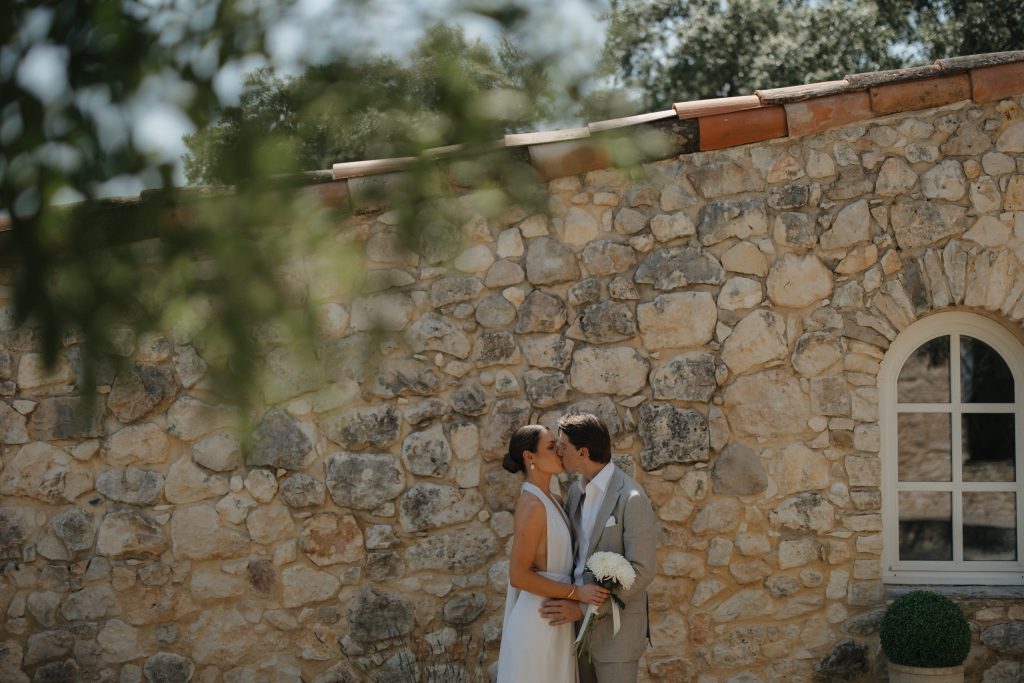 Tim & Harriette · Provence · see the full wedding →
Packages and prices for a wedding film in Poland
Film packages from €1,390, with no extra travel fees. Pick the hours by how the day moves: 5 hours for an elopement or a ceremony and dinner, 6 to 8 hours for a city wedding, the full day for a manor weekend day from preparation to the last dance.
| Coverage | Photography | Film | Photo + film |
|---|---|---|---|
| 5 hours | €1,390 | €1,390 | €2,780 |
| 6 hours | €1,590 | €1,590 | €3,180 |
| 7 hours | €1,790 | €1,790 | €3,580 |
| 8 hours | €1,990 | €1,990 | €3,980 |
| Full day, no time limit | €2,190 | €2,190 | €4,380 |
An extra hour is €200, a second photographer is +€890, a second filmmaker +€990 and a pre-wedding day +€890. A 20% deposit locks the date. Use the price calculator to total your own plan.
Pre-wedding day is +€890 and suits a welcome evening or a city portrait morning before a manor weekend. A second filmmaker is +€990.
What to discuss besides hours
- A main film with a clear narrative, not only a montage, and a shorter highlight to share.
- Whether the full ceremony and the speeches come as separate edits.
- How audio is captured: discreet lavalier microphones for vows, a clean feed or a recorder for speeches where the venue allows, and wind protection outdoors.
Decide which moments you want to hear as well as see; audio is what makes a wedding film feel like time travel. The price calculator adds any extras.
Packages can be changed after booking and the deposit follows a moved date; send us your Poland date through the contact page and we answer within 24 hours.
Sample timelines that create cinematic films (without rushing you)
These are examples, not rules. The best timeline is the one that protects your experience and gives you space to breathe.
Example 1: Luxury city wedding (Warsaw/Kraków style)
- Getting ready: calm prep in a bright hotel suite (details, letters, candid moments).
- First look (optional): in a courtyard or quiet street for privacy and time.
- Ceremony: earlier afternoon for better light and less stress.
- Short portrait walk: 15–25 minutes, then back to guests.
- Reception: speeches during dinner, then dancing with real energy.
Example 2: Manor wedding weekend (welcome night + wedding day)
- Welcome drinks: golden-hour mingling, toasts, relaxed atmosphere.
- Wedding morning: slow breakfast, details, prep with space.
- Ceremony: outdoors if possible, with an indoor backup ready.
- Cocktail hour: candid guest moments (this is film gold).
- Sunset portraits: 10–20 minutes—simple, natural direction.
- Evening: candlelit dinner, speeches, first dance, party.
Example 3: Elegant elopement / micro wedding in Poland
- Slow start: coffee, getting ready, a quiet moment together.
- Ceremony: intimate vows in a meaningful spot (city corner, garden, lakeside).
- Portraits: a relaxed walk with natural movement and minimal posing.
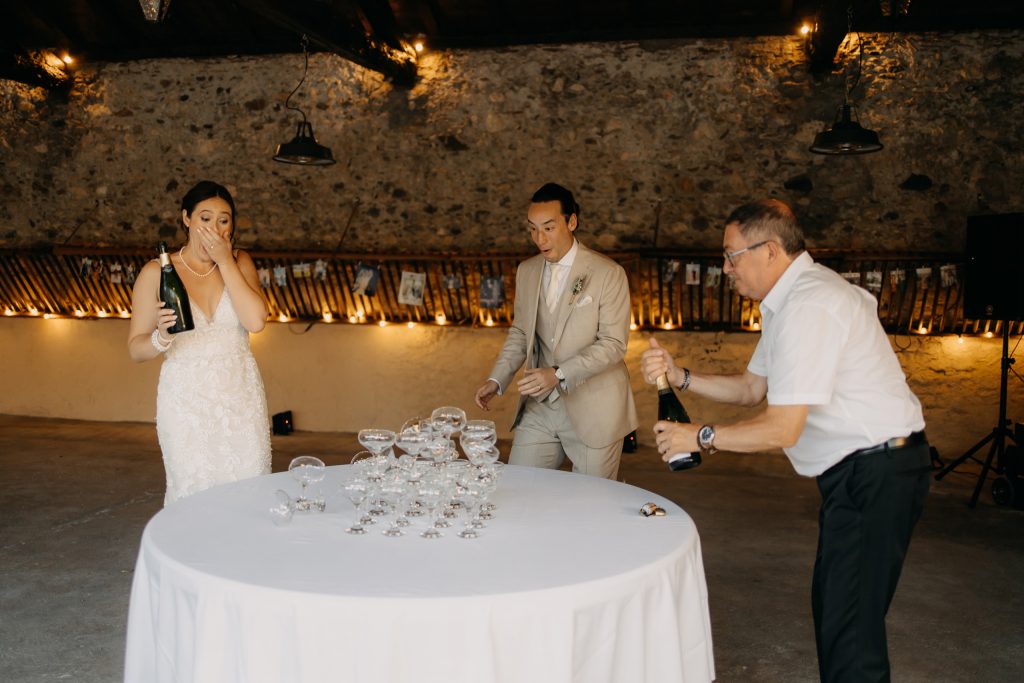
- Celebration: champagne, dinner, a few speeches, and time with your people.
the most cinematic timelines aren’t the busiest—they’re the ones with intentional pauses.
Travel & logistics for filming weddings in Poland (what couples forget)
Poland is straightforward for destination weddings, but a few small planning choices make a big difference to your film and your stress level.
Logistics that improve your film instantly
- Stay close: choose prep locations within a short drive of the ceremony.
- Build in buffers: city traffic, parking, and venue transitions always take longer than expected.
- Choose a “portrait zone”: one area with multiple backdrops so you’re not hopping locations.
- Plan for sound: if vows/speeches matter to you, confirm microphone options early.
- Have a rain plan you like: not just “inside somewhere,” but a space that still feels beautiful.
Permits & drone expectations (keep it realistic)
Museums, palaces and historic interiors set their own rules for filming, so ask the venue early. Aerial footage is only possible where permitted; a good team will offer rooftop angles, long-lens city shots or elevated interior viewpoints instead.
The best destination films come from simple logistics—short distances, good light, and a plan B you’re happy with.
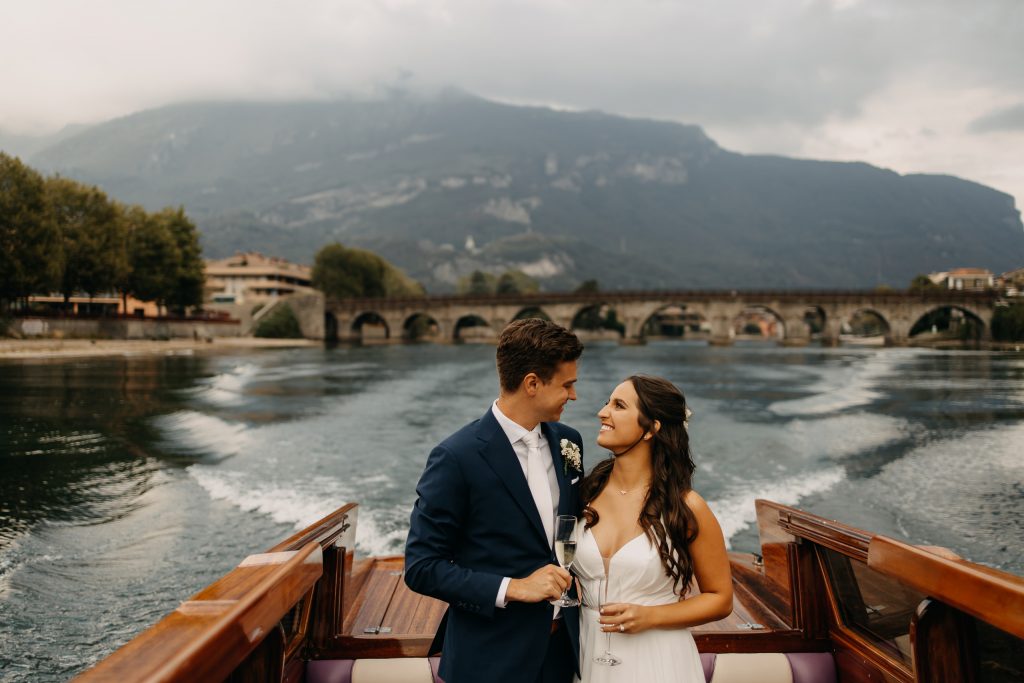 Kevin & Sara · Lake Como · see the full wedding →
How to choose a wedding videographer in Poland (questions that actually help)
Portfolios can look similar at first glance. The difference is usually in how a team handles real timelines, mixed lighting, and human moments.
Questions to ask before you book
- “How do you record vows and speeches?” (and what happens if the venue has no sound system?)
- “How do you work with photographers?” A collaborative approach matters for calm, efficient portraits.
- “What’s your approach to direction?” Especially important if you’re camera-shy.
- “Can we see a full film?” Not only highlights—ask for a full-length example.
- “How do you handle low light?” Candlelit dinners and dance floors need experience.
- “What’s your backup plan?” For gear, cards, and coverage if something unexpected happens.
Green flags (quiet signs you’re in good hands)
- They talk about timeline and light without making it feel stressful.
- They care about audio and the emotional story, not only visuals.
- They can explain their style in simple words and set clear expectations.
Red flags (worth pausing for)
- Only short highlight clips shown—no full films available.
- Overly staged direction that would interrupt your day.
- Vague answers about sound, backups, or how they work in tight spaces.
Choose the team that makes you feel calm—your film will look better when you’re not performing.
Poland manor and city venues that film well
We checked these on their own sites in November 2026; nobody paid to be listed. Their pages do not publish film rules, so ask each about filming, sound limits and any hire fee before booking.
City hotels
- Raffles Europejski Warsaw stands at Krakowskie Przedmieście 13 in the centre of Warsaw, and its site lists an Occasions section and private dining.
- Hotel Stary is at ul. Szczepańska 5 in Kraków; its site presents conference rooms, one for up to 160 people in theatre style, so ask about a private dinner.
Manors and palaces
- Pałac Rozalin lies about 30 km south-west of central Warsaw in the Puszcza Młochowska forest and hosts receptions from small gatherings to several hundred guests.
- Pałac Mortęgi near Lubawa in Warmia-Masuria is a palace hotel with a weddings section on its site, a good base for a weekend in lake country.
For ranked comparisons see our Poland venues guide and our manor venues guide. For city detail read our Warsaw wedding videographer page and our Kraków wedding videographer page. Pick a venue with beautiful indoor spaces as well as outdoor options, because the weather can change quickly.
How photo + film works best for luxury weddings in Poland
When photo and video teams are aligned, your day feels calmer and your coverage becomes more cohesive—same rhythm, same priorities, same respect for real moments.
What a well-matched photo + film team does differently
- One shared timeline built around light and logistics (not guesswork).
- Efficient portraits: simple direction, natural movement, minimal time away from guests.
- Better ceremony coverage: coordinated positions so nobody blocks key moments.
- Consistent storytelling: your gallery and your film feel like the same wedding.
As photographers who’ve documented weddings all over Europe, we’re especially mindful of the moments that matter most on film: the quiet breath before you walk in, the way hands find each other during vows, the room’s reaction to a speech. Those are the scenes you’ll want back.
The best “cinematic” results come from collaboration and timing—not from doing more.
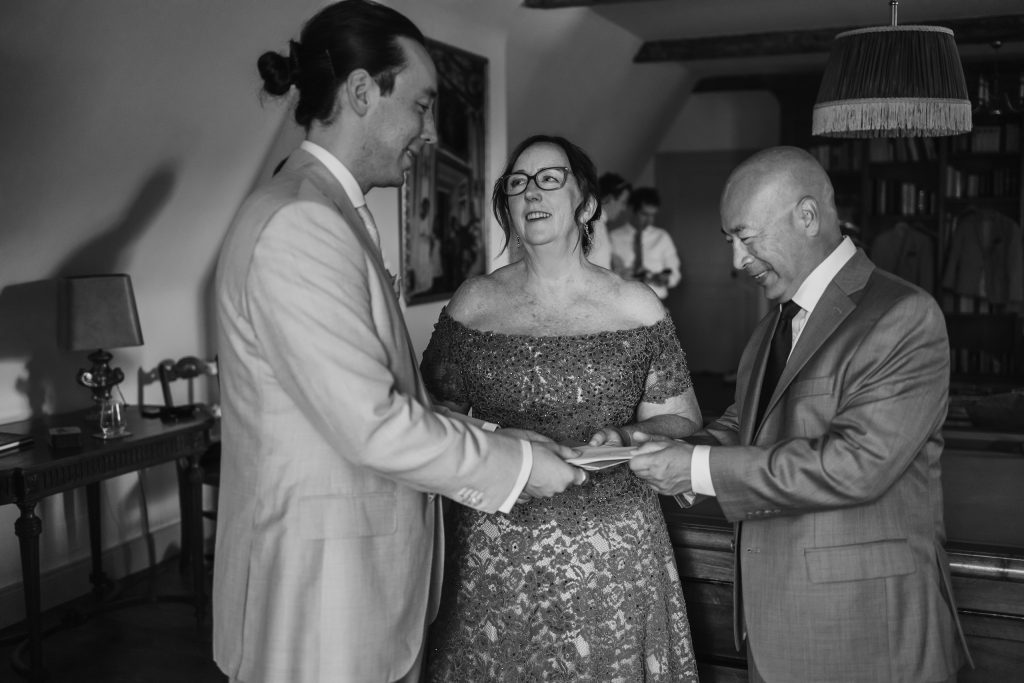 Michael & Michelle · Toulouse · see the full wedding →
More on weddings in Poland
- Wedding in Poland: the country guide
- Wedding photographer in Poland
- Wedding videographer in Poland
- Warsaw wedding videographer
- Kraków wedding videographer
Browse our photo work and our films for a city or manor film, read client stories, meet the team and check your Poland date.
FAQ
Do we need a videographer if we already have a photographer?
Photos freeze moments; film brings back movement, voice and atmosphere. If you want to hear vows and speeches, film adds what photographs cannot. Many couples choose photo and film from one team so the two share one timeline and one approach to light.
How many hours of videography do we need in Poland?
For a full wedding day from preparation to dancing, choose 8 hours or the full day (€1,990 or €2,190). For an elopement or a short ceremony and dinner, 5 hours (€1,390) is enough. A 6 or 7-hour package suits a city wedding without a late party.
What happens to the film if it rains in Poland?
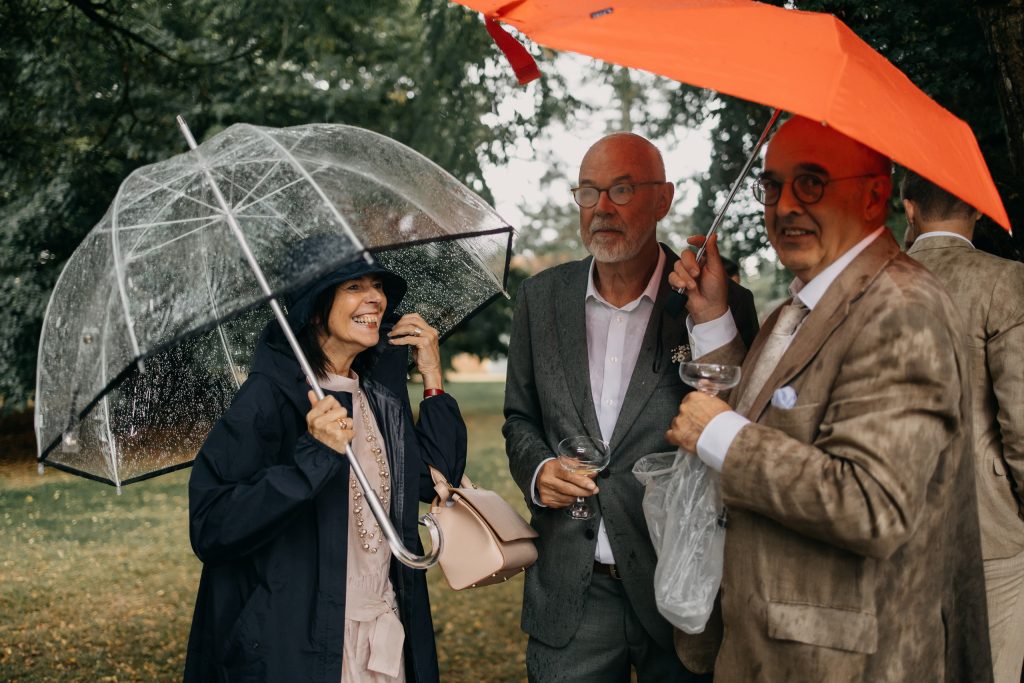
We work in any weather. Choose or create a plan B that still looks good: a covered terrace, a bright interior or a ceremony room with windows. We adjust the timeline so you still get flattering light and a calm pace, and a named backup from the team is in every contract.
Do we have to act for the camera to get a cinematic film?
No. The most cinematic films are usually the most honest ones. You may get light guidance on where to stand or how to walk, but you should not feel you are performing. If you are camera-shy, tell us and we keep direction minimal.
Can you film a city session and a manor weekend?
Often yes, as a multi-day plan. A short city session the day before or after adds variety without taking time from guests. A pre-wedding day is +€890. The main limits are travel time and daylight, so we plan transfers outside the best light.